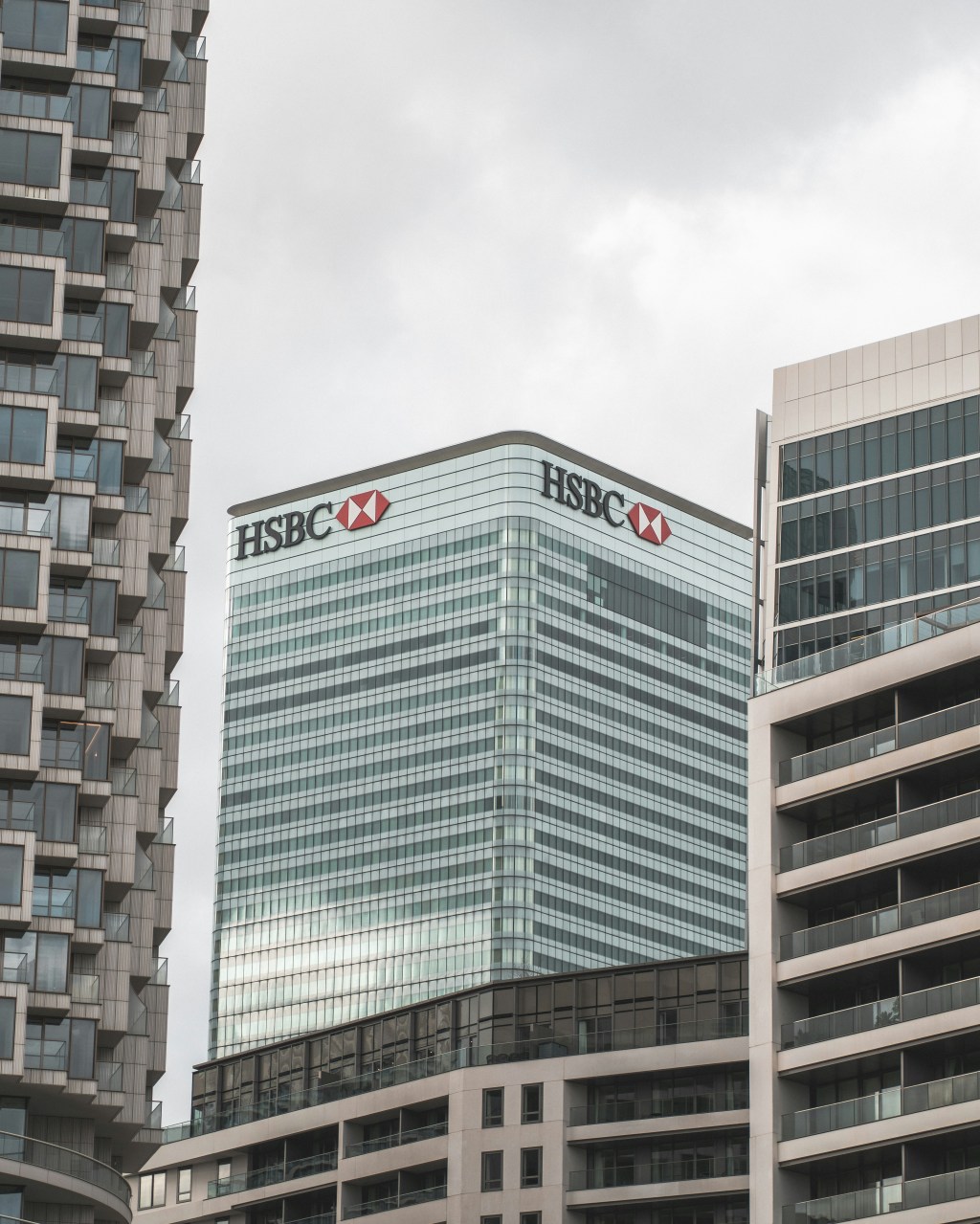
I used to work at a big bank. Naturally, when you’re an institution that’s been around for centuries, chances are you’ve established a strong competitive advantage in the market.
So, what’s the competitive advantage? For most big banks, a lot of it comes down to regulation. Regulation helps create what’s known as a product moat, a barrier that protects the banks from competition. Moreover, the customer base is typically long-standing, dating back several decades. And in my experience, many customers stay out of habit.
How does this translate to actual product development? The focus still centres on three factors:
- Desirability: Does this feature align with what our target customer want and need?
- Feasibility: Can we actually build it given current resources and tech stack?
- Viability: Does it contribute to achieving product-market fit and drive business outcomes?
However, in the world of big banks, another factor always takes precedence over all three: the requirements and deadlines dictated by regulation.
For big banks, adoption and growth aren’t the primary challenges to solve. Instead, their focus is complying with the numerous regulatory frameworks that govern the industry. As a big bank, you’re fine with this. It is after all what makes up part of their product moat. Smaller players are unlikely to disrupt your market share in any meaningful way thanks to regulations; the threshold is simply too big.
What’s the problem then? I’ve heard a lot of leadership at big banks say that they want to compete with the likes of modern tech companies, like Netflix and Spotify.
But if you compare big banks with other industries, the dynamics are completely different. Take either Netflix or Spotify. They both rely on subscription models and recurring revenue, with retention driven by creating engaging customer experiences and loyalty.
Then there’s Figma, a company whose product I really love. Figma excels at driving product-led growth, with adoption spreading organically through word of mouth from teams and designers who use the product.
Big banks, on the other hand, operate under different dynamics.
Yes, there are fintech players and neo-banks who attempt to disrupt the dominance of big banks. However, so far, they have yet to meaningfully address two critical factors: the trust and security inherent in the brand power of a legacy institution that’s been around for centuries.
At its core, I believe the value proposition that a big bank offers is simple: keep customers’ money safe and enable them to make and receive payments. For 90% of a big bank’s customer base, this remains their functional and emotional job.
If you’re reading this and you work at a big bank: Remember, your product moat isn’t just about regulations, it’s built on trust and security too.

Leave a comment